If you’ve been nurturing a sourdough starter, whether a brand-new culture or a treasured heirloom starter passed down for generations, you may occasionally worry: is my sourdough starter dead? This is a common question among bakers, especially when the starter shows unusual behavior, such as separation, off smells, or no visible activity. Understanding the signs of a healthy versus a truly dead starter can help you take the right steps to revive it—or know when it’s time to start fresh.
Understanding Sourdough Starter Health
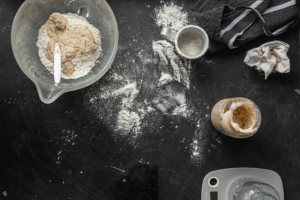
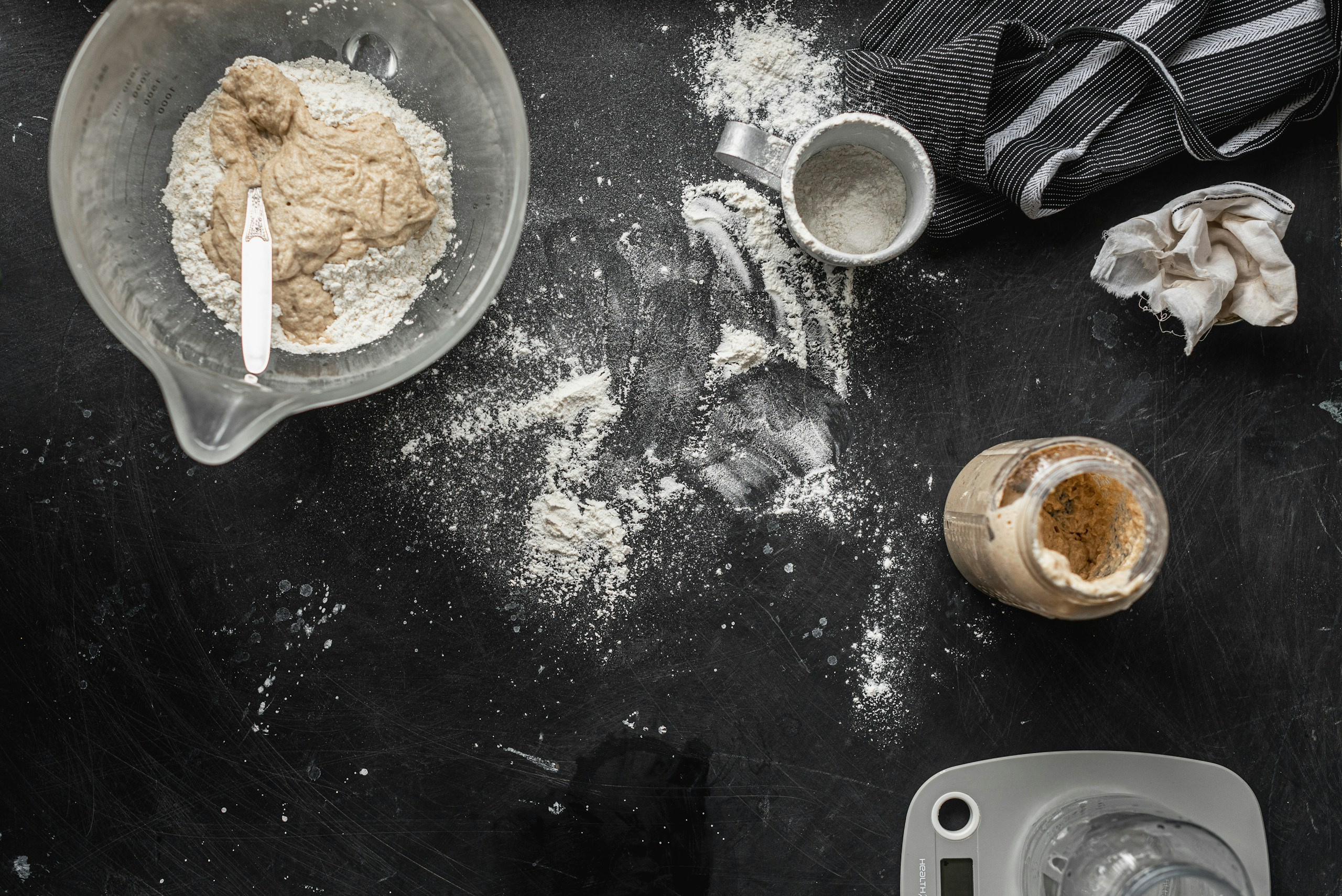
A sourdough starter is a living culture of yeast and bacteria that feed on flour and water to create natural leavening. Because it is alive, it can exhibit a range of behaviors depending on its environment, feeding schedule, and age. Seeing changes does not automatically mean your starter is dead.
Signs of a healthy starter include:
- A pleasantly tangy, slightly sour aroma
- Bubbling and expansion after feeding
- A slightly thick but pourable consistency
- Mildly acidic but not foul-smelling liquid on top (hooch)
Understanding these normal variations is key before worrying whether your starter is truly dead.
Common Signs People Worry About
Some changes can alarm bakers:
- No bubbles or rise: Starters may sometimes appear inactive, especially if kept in the fridge or in cooler temperatures.
- Hooch or separation: A layer of liquid on top is common in hungry starters and does not necessarily indicate death.
- Unpleasant smell: Starters may smell tangy, vinegary, or even slightly yeasty. While foul, putrid, or moldy smells are serious, mild sourness is normal.
- Color changes: A healthy starter should be off-white or beige. Pink, orange, or fuzzy mold indicates contamination and requires discarding.
How to Determine: Is My Sourdough Starter Dead?
When asking yourself is my sourdough starter dead, consider these troubleshooting steps:
- Visual Inspection
Examine your starter carefully. Dead starters often show no activity over several feedings and may have discoloration or mold growth. If you see pink, orange, or gray fuzzy spots, it’s safest to discard the starter. - Smell Test
Gently smell your starter. A healthy starter smells tangy, like yogurt or mild vinegar. A truly dead starter will have a putrid, rotten odor. If it smells unpleasantly sweet, sour, or like nail polish remover (high alcohol), it may still be salvageable with consistent feedings. - Feeding Response
Feed your starter with fresh flour and water and watch for a reaction. If your starter begins bubbling, expanding, or producing small pockets of gas within 12–24 hours, it’s alive. No activity after multiple feedings may indicate it is dead. - Consistency and Texture
Dead starters often become runny, watery, or develop a very strong, unpleasant odor without producing gas bubbles. Healthy starters will maintain some elasticity and respond to feeding with activity.
Troubleshooting and Reviving Heirloom Starters
Heirloom sourdough starters are especially valuable, often decades old, and can sometimes appear inactive even when alive. Here’s how to troubleshoot:
- Regular Feeding Schedule
Feed older starters at least once per day at room temperature. If stored in the fridge, allow several hours for the starter to warm up before feeding. A consistent schedule strengthens microbial activity. - Adjust Hydration
Starters that are too thin or too thick may not rise effectively. Aim for a consistency similar to thick pancake batter, adjusting flour and water as needed. - Use Quality Flour
Heirloom starters benefit from strong, high-protein flours like bread flour, which provide nutrients for the yeast and bacteria. Whole-grain flours can also boost activity temporarily. - Temperature Control
Keep your starter in a stable, warm environment (70–75°F). Avoid direct sunlight, drafts, or overly cold conditions that slow microbial activity. - Be Patient
Older starters can be slower to respond than younger ones, especially if they’ve been neglected or stored in the fridge. Multiple feedings over 1–2 days can revive activity. - Discard and Refresh
If your starter is producing excessive hooch or smells overly alcoholic, discard a portion before feeding. This refreshes the culture and encourages healthy growth.
When Your Starter Is Truly Dead
Despite your best efforts, some starters cannot be revived. A starter is likely dead if:
- There is mold contamination (pink, orange, or fuzzy growth)
- It has no response after multiple feedings over 48–72 hours
- The smell is putrid, rotten, or extremely sour with no gas production
In these cases, it’s safest to start a new culture. If it’s an heirloom starter, try obtaining a portion from a trusted source to preserve the lineage.
Preventing Future Starter Problems
To minimize worries about whether your starter is dead:
- Maintain a regular feeding schedule
- Keep a stable temperature and proper hydration
- Store backup starter portions in the fridge or freezer
- Use clean utensils and containers to prevent contamination
- Label jars with the last feeding date to track activity
By following these practices, you can keep your heirloom starter active and reduce the risk of accidental death.
Little Tree Food Forest Etsy Shop
http://littletreefoodforest.com/
Keywords: is my sourdough starter dead, guide for is my sourdough starter dead, tips for is my sourdough starter dead, food guide for is my sourdough starter dead, sourdough guide is my sourdough starter dead, best guide for is my sourdough starter dead