Sourdough starter is the key ingredient in making sourdough bread, and it’s important to know how to store sourdough starter properly to keep it healthy and active. Sourdough bread is an ancient method of bread making that has gained popularity in recent years. This type of bread is known for its tangy flavor and chewy texture, which is a result of the fermentation process that takes place in the dough. In this article, we’ll go over the best ways to store sourdough starter and keep it fresh for your next baking session.
How to Store Sourdough Starter & Why It’s Important
What is Sourdough Starter?
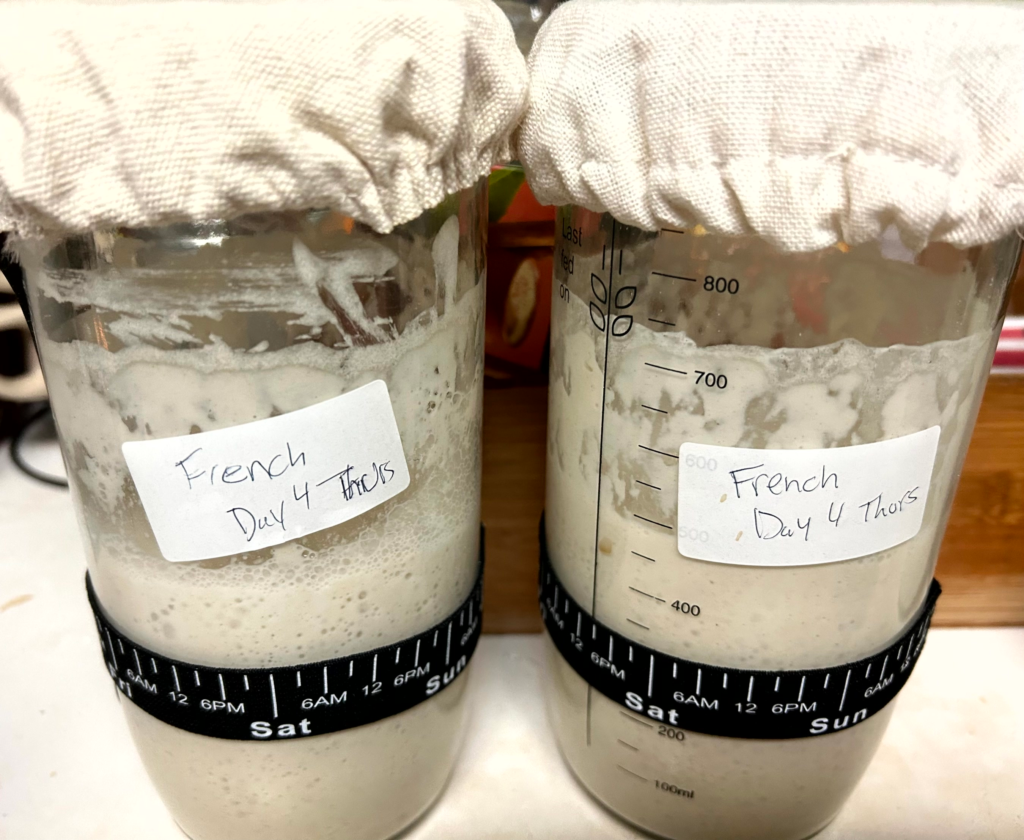
Before we dive into how to store sourdough starter, let’s first define what it is. Sourdough starter is a mixture of flour and water that has been left to ferment for a period of time. During this fermentation process, wild yeast and bacteria naturally present in the environment colonize the mixture, turning it into a living culture. This culture is what gives sourdough bread its unique flavor and texture.
Why is it Important to Store Sourdough Starter?
Storing sourdough starter properly is essential to keep it alive and active. If you neglect your starter or store it incorrectly, the yeast and bacteria in the culture can die, which will prevent your dough from rising properly. You’ll end up with a dense, flat loaf of bread that lacks the characteristic tangy flavor and chewy texture that sourdough is known for. Additionally, if your starter is contaminated with bad bacteria or mold, it can ruin your dough and make you sick.
Best Ways to Store Sourdough Starter
There are several methods for storing sourdough starter, each with its pros and cons. Let’s explore the most common ones.
Fridge Storage
Storing sourdough starter in the fridge is the most popular method. To do this, you’ll need to transfer your starter into an airtight container and place it in the fridge. The low temperature will slow down the fermentation process, which will allow your starter to survive for several weeks without being fed. When you’re ready to use it, take the starter out of the fridge and let it come to room temperature before feeding it.
Pros: This method is easy, and it requires minimal maintenance. You can store your starter in the fridge for up to a month without feeding it.
Cons: If you forget about your starter for too long, it can die in the fridge. Additionally, cold temperatures can cause your starter to separate, which can make it harder to mix back together when you’re ready to use it.
Freezer Storage
If you need to store your starter for an extended period, you can freeze it. To do this, transfer your starter into a freezer-safe container and place it in the freezer. When you’re ready to use it, thaw the starter in the fridge for 24 hours before bringing it to room temperature and feeding it.
Pros: Freezing your starter is an excellent way to keep it alive for an extended period without feeding it. It can survive in the freezer for up to six months.
Cons: Thawing your starter can take a while, and it requires some planning ahead. Additionally, freezing your starter can affect the activity of the yeast and bacteria in the culture.
Room Temperature Storage
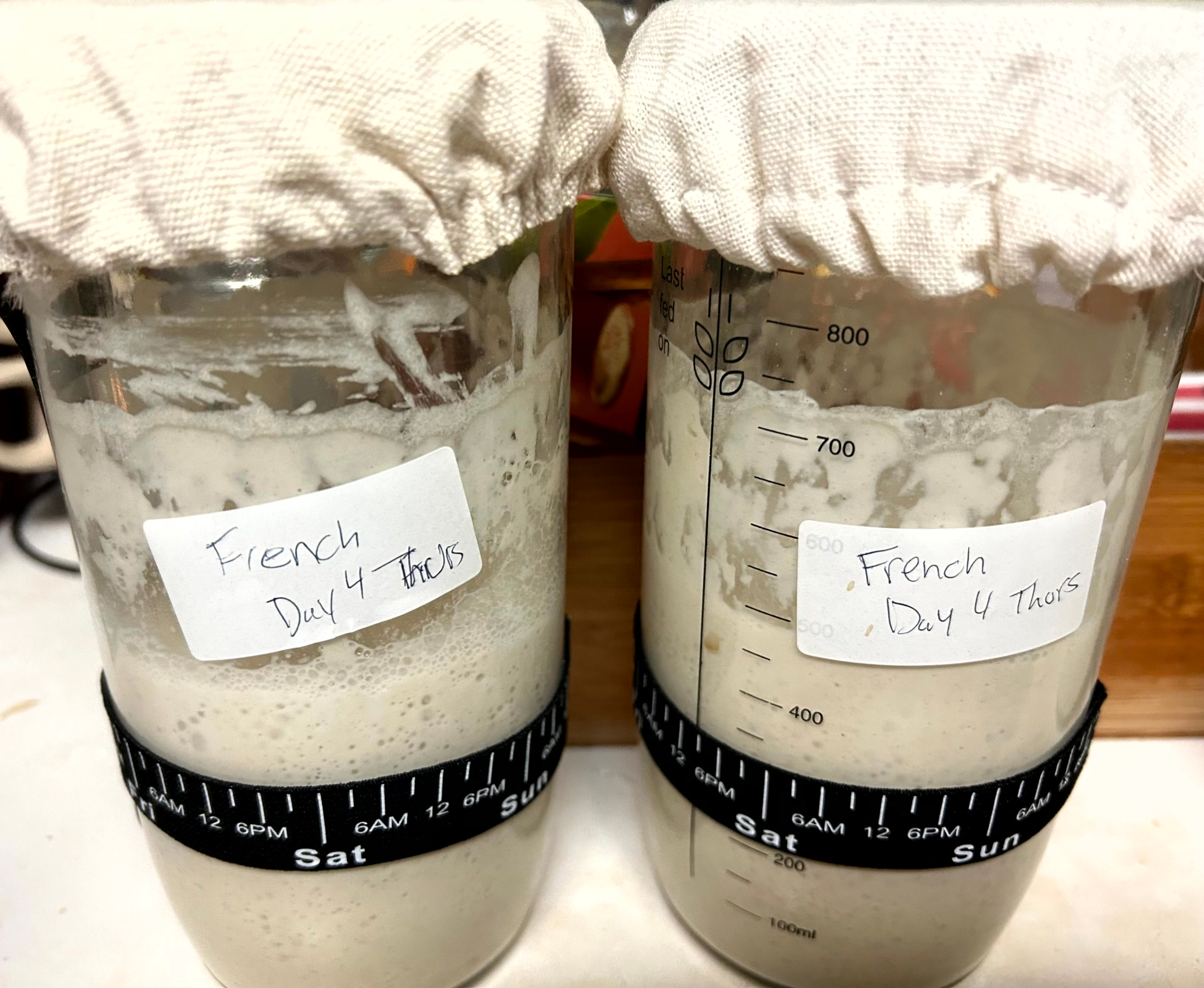
If you’re planning on using your starter frequently, storing it at room temperature may be the best option for you. To do this, keep your starter in a jar or crock on the countertop, feeding it regularly.
Pros: Storing your starter at room temperature means it will be readily available whenever you need it. Additionally, keeping your starter at room temperature can encourage the yeast and bacteria in the culture to be more active.
Cons: This method requires more maintenance than fridge or freezer storage since you’ll need to feed your starter every day or two to keep it healthy and active. Additionally, if you forget to feed your starter, it can die quickly, and you’ll need to start over.
Tips for How to Store Sourdough Starter
Now that you know the best methods for storing sourdough starter let’s go over some tips to help you keep it fresh and healthy.
- Use a glass jar or crock with a loose-fitting lid to store your starter. This will allow air to circulate and prevent pressure from building up, which can cause the container to burst.
- Always label your starter container with the date you created it and the date you last fed it. This will help you keep track of its age and make sure you’re feeding it regularly.
- If you’re storing your starter in the fridge or freezer, make sure to transfer it to a new container every few months. This will prevent any off-flavors or odors from developing in the container.
- When you’re ready to use your starter, always take it out of the fridge or freezer and let it come to room temperature before feeding it. This will help wake up the yeast and bacteria in the culture and make sure it’s ready to use.
- If you’re going to be away from home for an extended period, it’s best to store your starter in the fridge or freezer. This will ensure that it stays alive and healthy until you return.
- If you have a dehydrator, you can dehydrate your sourdough starter and store it in a cool pantry or freeze the dehydrated starter. However, you will need to rehydrate it before it can be used again.
Sourdough starter is a living culture that requires proper care and attention to keep it healthy and active. Whether you choose to store it in the fridge, freezer, or at room temperature, it’s important to follow the best practices for each method to ensure that your starter stays fresh and ready to use. With these tips and tricks, you’ll be able to keep your sourdough starter alive and thriving for years to come.
Keywords: sourdough starter, storage, fridge, freezer, room temperature, healthy, active, fermentation, yeast, bacteria, tips for how to store sourdough starter, how to store sourdough starter during travel, how to store sourdough starter in the refrigerator, how to store sourdough starter in the pantry, how to store sourdough starter in the freezer, how to store sourdough starter to rest, ways for how to store sourdough starter
Check out our Etsy Shop at littletreefoodforest.etsy.com
Check out our Ebay Shop at https://www.ebay.com/str/littletreefoodforest