If you’ve been nurturing a sourdough starter, especially a cherished heirloom starter, it’s natural to worry about its health. Sourdough starters are living cultures, and maintaining them properly ensures successful bread, pancakes, and other baked goods. One of the most common questions among bakers is how to tell if sourdough starter is bad. This guide will help you identify signs of a bad starter, troubleshoot issues, and preserve the health of your starter for years to come.
Understanding Sourdough Starter Health
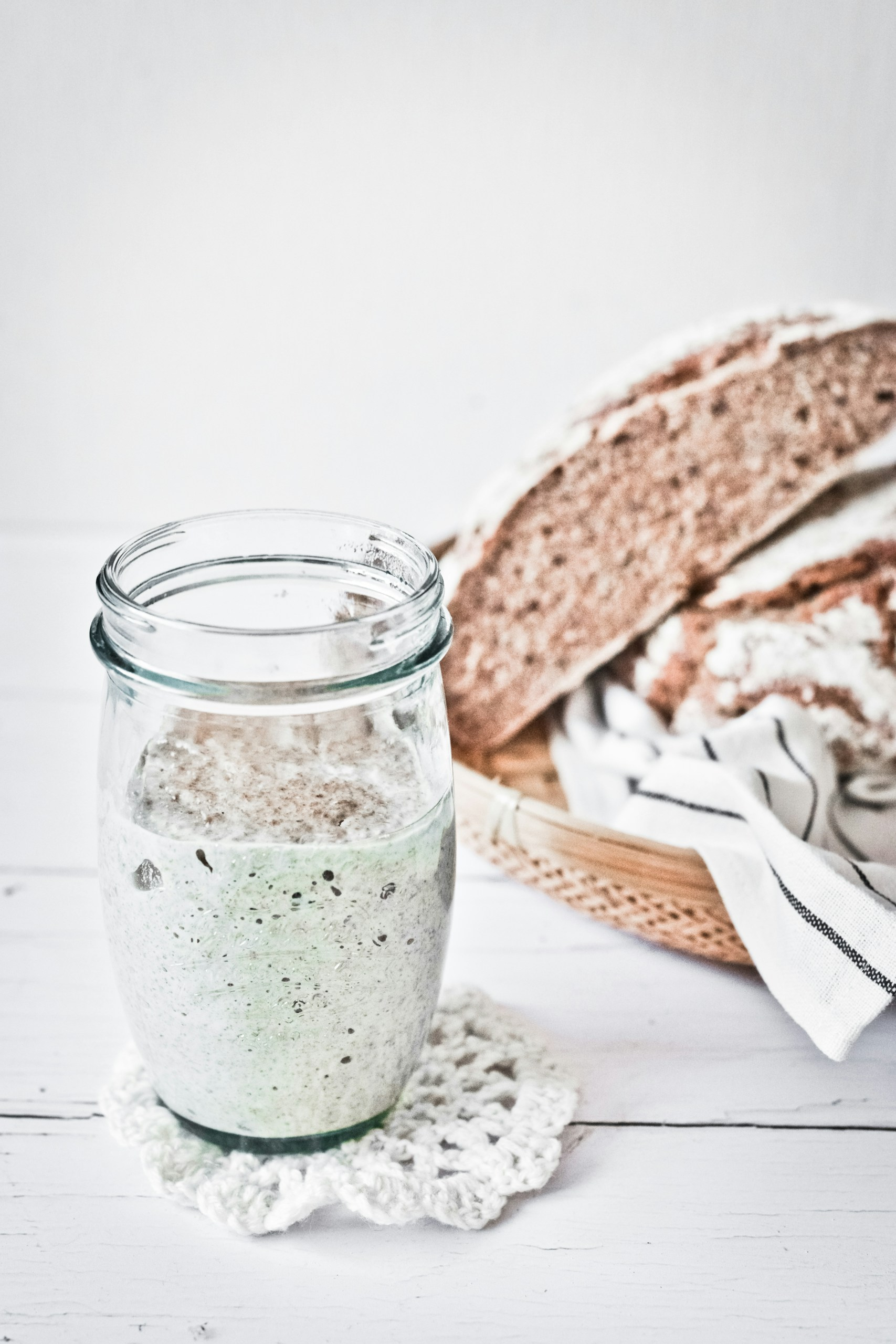
A healthy sourdough starter is a balanced ecosystem of wild yeast and lactic acid bacteria. These microbes feed on flour and water to produce carbon dioxide, which leavens bread, and organic acids, which create that signature tangy flavor.
Normal variations in your starter—such as occasional liquid on top (hooch), mild sour smell, or slight separation—do not mean your starter is bad. In contrast, truly bad starters display signs of contamination or irreversible microbial decline.
Common Signs That a Starter May Be Bad
When trying to determine how to tell if sourdough starter is bad, look for these red flags:
1. Mold Growth
Mold is one of the clearest signs your starter is unsafe. Mold often appears as fuzzy patches in colors like pink, orange, or green. If you see mold, discard the starter immediately.
2. Unpleasant or Foul Odor
A healthy starter smells tangy, slightly sour, or yeasty. Starters that smell putrid, rotten, or like decayed food are likely contaminated and should not be used.
3. Pink or Orange Streaks
Even without visible fuzz, pink or orange streaks indicate bacterial contamination. This is particularly concerning for heirloom starters and is a strong signal to discard the affected starter.
4. No Activity After Feeding
Starters that fail to bubble or rise after several feedings may be dead. Lack of visible activity indicates that the yeast and bacteria are no longer thriving.
5. Excessive Hooch or Alcohol Smell
A thin layer of liquid (hooch) on top of the starter is normal when hungry, but a starter that constantly produces large amounts of hooch and smells strongly of alcohol may be stressed. While this doesn’t always mean it’s bad, it does indicate that the starter needs more attention.
Troubleshooting Heirloom Starters
Heirloom starters are often decades old and have unique microbial ecosystems. They can be resilient, but also more sensitive to changes. Here’s how to troubleshoot if you suspect your heirloom starter may be bad:
1. Evaluate Feeding Frequency
Older starters may require more consistent feeding. If your starter has been neglected, resume regular feedings at room temperature until activity returns.
2. Adjust Hydration and Flour Type
Heirloom starters may benefit from a slightly thicker consistency or a nutrient boost from whole-grain or high-protein flours. This can stimulate microbial activity and reduce the risk of stress-related problems.
3. Check Temperature and Environment
Keep your starter in a stable, warm environment (70–75°F). Avoid drafts, direct sunlight, and excessive heat, which can damage delicate microbial communities.
4. Discard and Refresh
If a portion of the starter has developed hooch or is sluggish, discard some and feed the remaining portion with fresh flour and water. This refreshes the microbial population and encourages healthy growth.
5. Monitor Recovery
Heirloom starters may take several days and multiple feedings to recover fully. Observe for:
- Bubbling and gas production
- Pleasant, tangy aroma
- Consistent rise after feedings
When a Starter Is Truly Bad
Even with careful troubleshooting, some starters cannot be revived. A starter is considered truly bad if:
- It shows mold contamination (pink, orange, green, or fuzzy growth)
- It smells putrid, rotten, or like chemicals
- There is no response after multiple feedings over 48–72 hours
- The microbial activity has permanently ceased
In such cases, it’s best to start fresh, especially for heirloom starters. If possible, obtain a portion from another batch or trusted source to preserve the lineage.
Preventing Your Starter From Going Bad
Maintaining a healthy starter reduces the risk of it going bad. Follow these practices:
- Feed your starter regularly; daily feedings at room temperature or weekly feedings in the fridge
- Store starter in a stable, moderate environment away from extreme temperatures
- Use clean utensils and containers to prevent contamination
- Keep backup portions in the fridge or dehydrated for long-term storage
- Monitor your starter for signs of stress, such as excessive hooch or delayed rise
By following these steps, you can keep your starter healthy and avoid the question of how to tell if sourdough starter is bad in the future.
Little Tree Food Forest Etsy Shop
http://littletreefoodforest.com/
Keywords: how to tell if sourdough starter is bad, guide for how to tell if sourdough starter is bad, tips for how to tell if sourdough starter is bad, how to tell if sourdough starter is bad guide, sourdough guide how to tell if sourdough starter is bad, how to guide how to tell if sourdough starter is bad