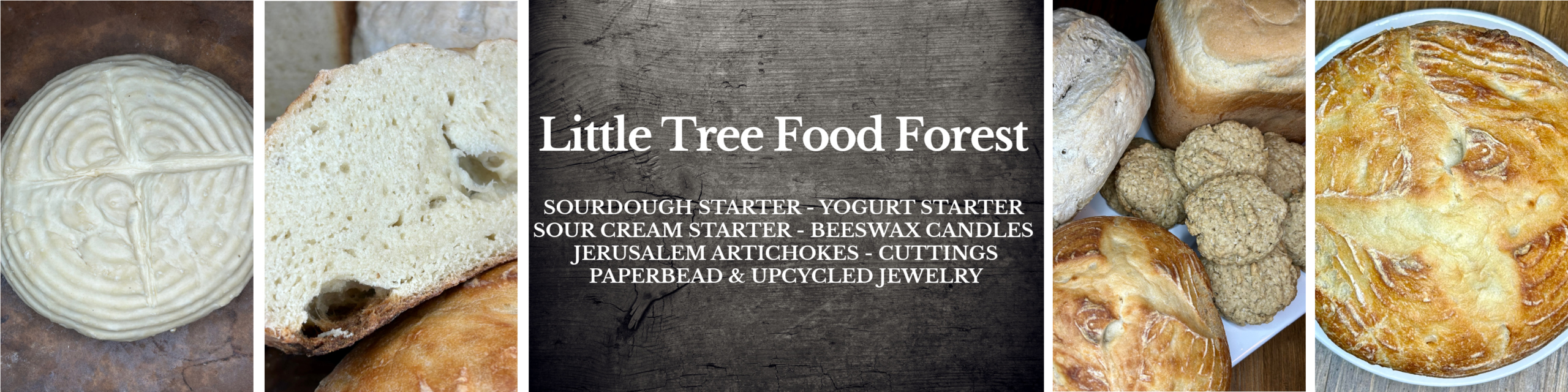
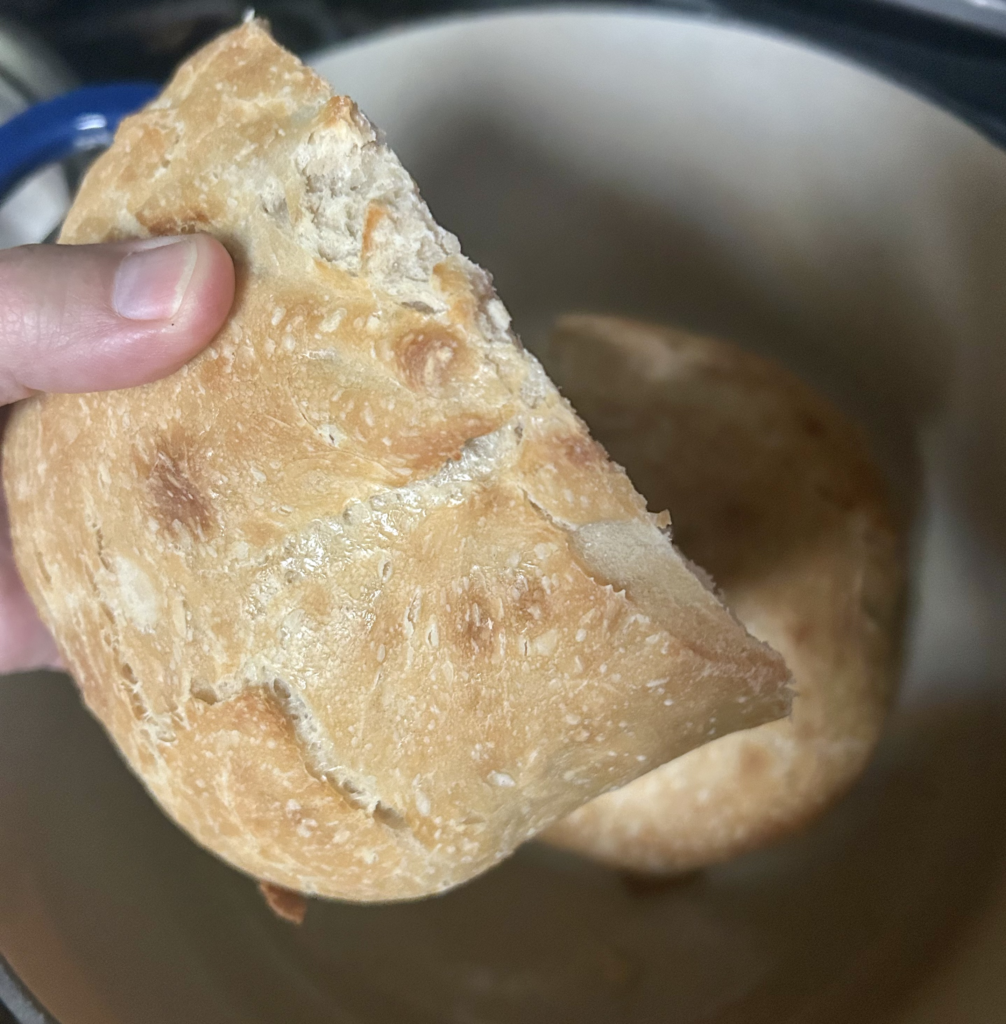
If you’ve ever baked artisan sourdough bread from scratch, you know it’s more than a recipe—it’s a rhythm. A way to slow down, nourish yourself, and connect with generations of bakers before you. At Little Tree Food Forest, we love incorporating timeless ingredients with a sustainable, homemade twist—and this recipe is a perfect example.
This Rustic Artisan Sourdough Bread uses two powerful ferments:
🌾 Our heirloom German sourdough starter, and
🥛 Whey from homemade mesophilic skyr yogurt—both of which we offer in our Etsy shop.
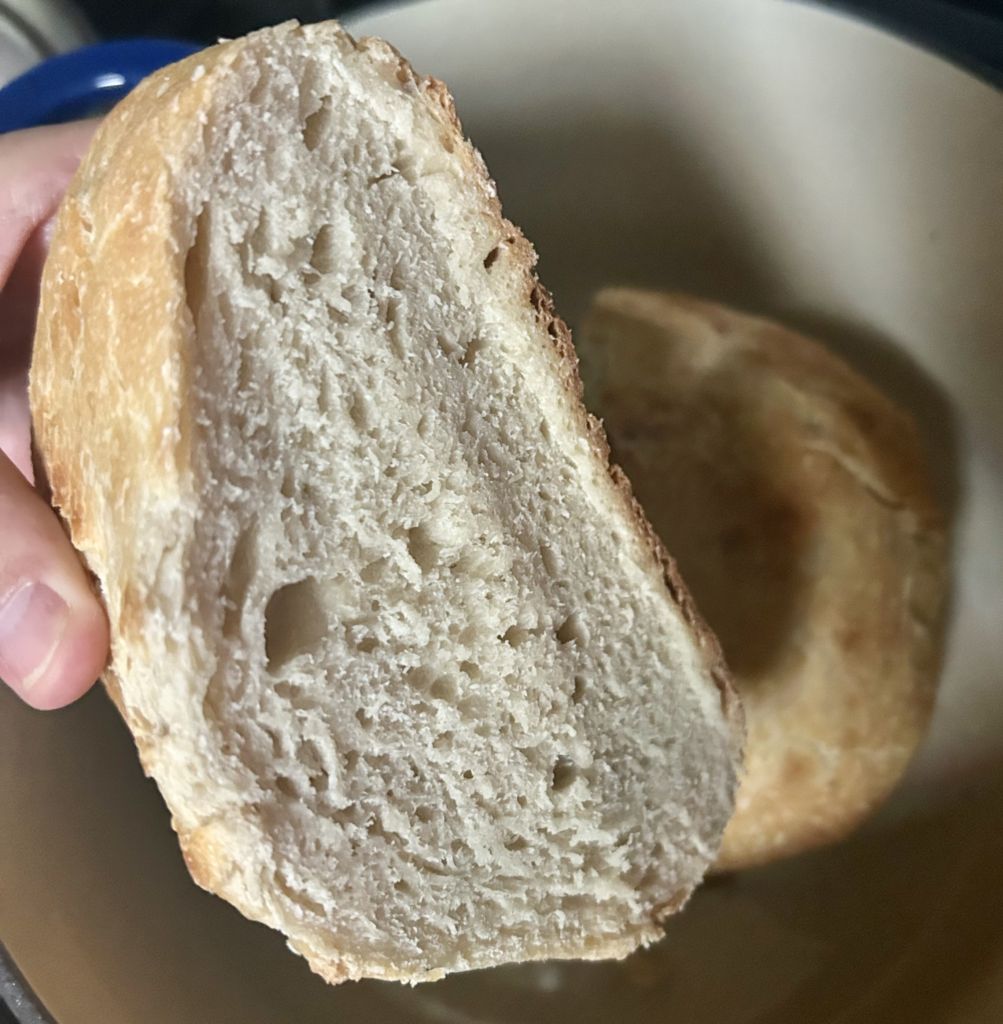
What makes this artisan sourdough bread stand out? The yogurt whey adds a unique, light tang and helps create a soft, open crumb without any dairy richness. And the long-fermentation method produces deep, complex flavor with only four basic ingredients.
Let’s walk you through the full recipe, the story behind our cultures, and how you can make your own batch with just a little time, care, and a hot oven.
Why Use Yogurt Whey in Artisan Sourdough Bread?
If you’ve ever made yogurt at home—especially traditional skyr—you’ve probably ended up with a bowl of leftover golden liquid after straining: whey. It’s full of nutrients like calcium, potassium, B vitamins, and lactic acid bacteria. Instead of tossing it, we love to use it in artisan sourdough bread doughs, pancakes, and even smoothies.
In this recipe, whey replaces water to give your sourdough:
- A subtle tang that enhances flavor without making the bread overly sour
- A softer crumb, ideal for slicing and sandwiching
- A boost in fermentation, helping your starter thrive naturally
- And, of course, less kitchen waste—a major win for sustainable home baking.
We used whey from our homemade mesophilic skyr yogurt, a traditional Icelandic dairy culture that ferments at room temperature. If you’ve never made skyr from scratch, it’s easier than you think—and our dehydrated skyr culture makes it super simple. You can find it in our Etsy shop, along with other heirloom cultures.
The Starter: Our German Heirloom Culture
The sourdough starter we used in this recipe is our heirloom German dried sourdough starter. This strain has old-world roots and produces a beautifully balanced flavor—lightly tangy, not too sharp, and perfect for daily bread.
Once rehydrated and fed, it becomes an active culture that can live on your counter or in your fridge for years. It’s especially forgiving, which makes it a great choice for beginners and experienced bakers alike.
We offer this dried starter in our shop along with other heritage options (including Egyptian, French, and Alaskan Gold Rush sourdoughs). Each one brings its own unique microbial profile and taste, and all are selected for flavor, strength, and resilience.
🌾 Artisan Sourdough Bread with Whey: The Recipe
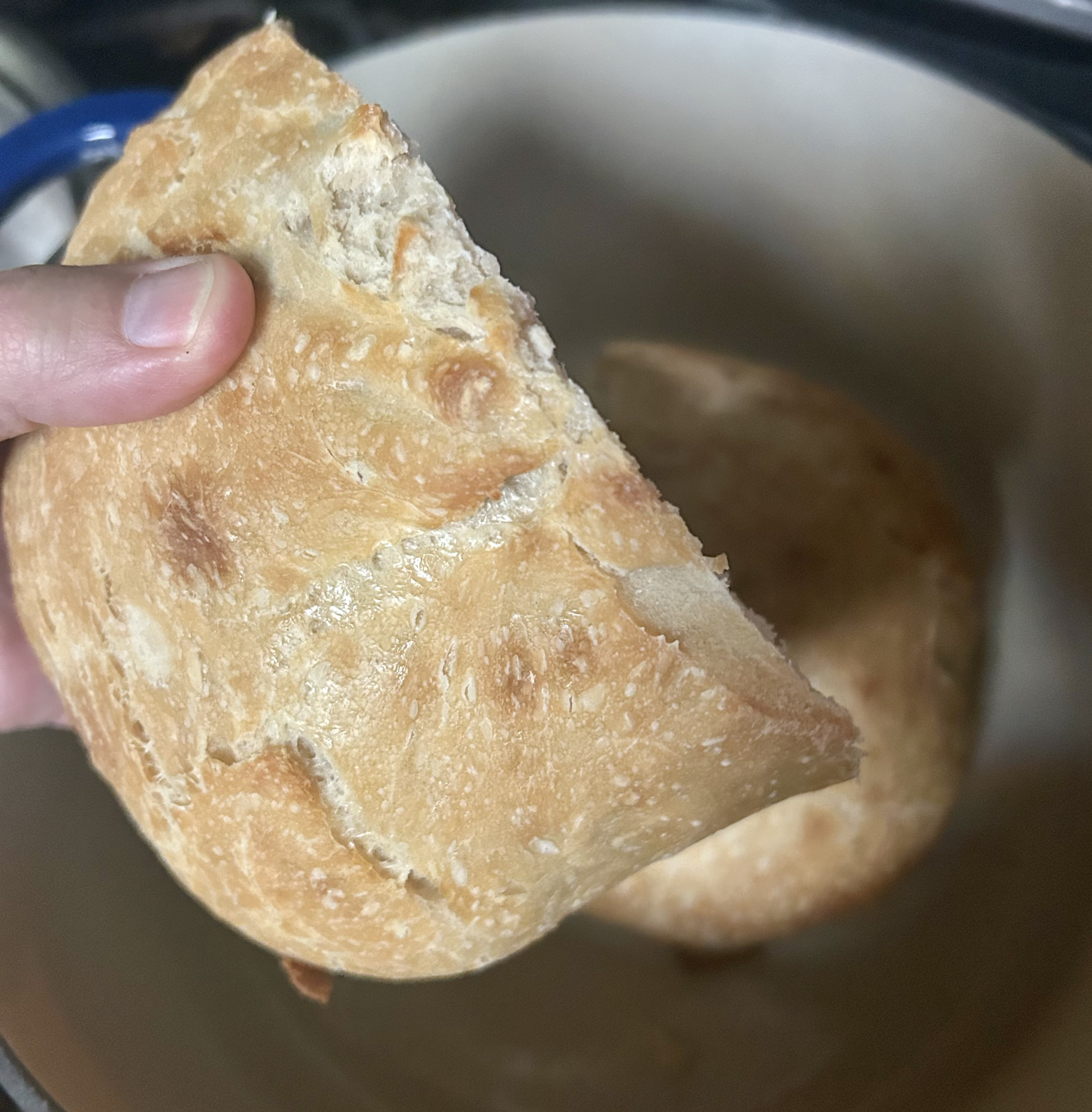
Whether you’re an experienced baker or just starting out, this recipe delivers a rustic, crusty artisan sourdough bread loaf with a soft, airy interior and deep flavor.
🥖 Ingredients
- 3 cups all-purpose or bread flour
- 10 oz of whey (from homemade yogurt or skyr) — or water if whey isn’t available
- 7 oz of active sourdough starter (fed and bubbly, 100% hydration)
- 1 tsp salt
- Olive oil (for greasing the bowl)
👩🍳 Instructions
1. Mix & Knead
In a large mixing bowl, combine the flour, whey (or water), sourdough starter, and salt. Mix until everything is well combined. You can knead by hand for about 8–10 minutes until a soft, slightly tacky dough forms, or use a stand mixer with a dough hook.
Tip: The dough should feel smooth and stretchy. If it’s too sticky, add a bit more flour; if too dry, add a tablespoon more whey.
2. First Rest (Bulk Fermentation) – 90 minutes
Grease a clean bowl with olive oil, place your dough inside, cover with a damp towel or lid, and let it rest at room temperature for 90 minutes. You may notice it starting to puff slightly—this is the wild yeast at work.
3. Second Knead & Rest – 90 minutes
Lightly knead the dough again to strengthen the gluten. You don’t need to overwork it—just a few folds or turns are fine. Cover and let rest another 90 minutes in the same bowl.
4. Final Shape & Rise – 2 hours
Gently shape the dough into a round or oval loaf. Place it seam-side up in a well-floured proofing basket or seam-side down on a floured tea towel set in a bowl. Cover and let it rise at room temperature for about 2 hours.
Optional: For even more flavor, you can cold-proof the shaped loaf in the fridge overnight, then bake straight from cold the next day.
5. Preheat the Oven
While your dough finishes rising, place your Dutch oven (or cast-iron pot with a lid) in the oven and preheat to 450°F (232°C) for 20–30 minutes. This step is crucial—it helps create that beautiful crusty exterior.
6. Score & Bake
Carefully turn your dough onto a piece of parchment paper or directly into the Dutch oven. Score the top with a razor blade or bread lame—this allows the bread to expand as it bakes.
- Bake for 20 minutes with the lid on to trap steam
- Remove the lid and bake another 15 minutes until golden brown and crisp
The internal temperature should read around 205°F if you’re checking doneness.
🧊 Cool & Enjoy
Remove the artisan sourdough bread from the oven and let it cool completely on a wire rack before slicing. The aroma will be tempting, but cutting too early can cause the crumb to gum up. Once it’s cool, slice and enjoy with butter, jam, or dipped in good olive oil.
💡 Bonus Tips
- No whey? Use filtered water instead and you’ll still get a lovely artisan sourdough bread loaf.
- Add-ins: Try mixing in fresh rosemary, garlic, or seeds before shaping for a creative twist.
- Save your scraps: Don’t throw out leftover starter—use it to make pancakes, crackers, or even chocolate cake.
Ready to Try It Yourself?
You can recreate this recipe at home using:
- Our heirloom German sourdough starter
- Our dehydrated mesophilic skyr yogurt culture
- And your own creativity and care
We offer both cultures in our Etsy shop, lovingly packaged with instructions and tips to keep your cultures thriving for generations to come.
Let’s Keep the Tradition Alive
Artisan sourdough bread baking doesn’t have to be complicated—it just takes time, intention, and good ingredients. By incorporating homemade whey and heirloom cultures, you’re not just baking artisan sourdough bread—you’re preserving a tradition that feeds both body and spirit.
Happy baking from all of us at Little Tree Food Forest! 🌿